Egypt's House of Representatives on Monday, Oct. 26, authorized President Abdel Fattah el-Sisi to take "necessary measures," in coordination with Riyadh, to defend Saudi Arabia's "territory, sovereignty and holy sites against any external aggression," The National reported. Cairo has not undertaken a large-scale foreign ground deployment since the 1991 Gulf War, Al Jazeera noted, and the vote comes as Yemen's Houthis escalate missile and drone attacks on the kingdom.
Yemen's Houthi movement answered on Tuesday, Oct. 27. Senior Houthi official Mohammed Ali al-Houthi called the authorization "a declaration of war on Yemen," Demócrata reported, a characterization CBS News also reported, and the group claimed a ballistic missile strike the same day on Saudi Arabia's Ras Tanura oil refinery, a claim Saudi Arabia did not confirm.
The moves widen a Saudi-Houthi war that is already disrupting Gulf oil exports and Red Sea shipping, and they come as Washington weighs new strikes on Iran, the Houthis' main backer.
Key Facts
- When: Egyptian parliamentary vote Monday, Oct. 26; Houthi response and Ras Tanura claim Tuesday, Oct. 27.
- Where: Cairo (parliament); Saudi Arabia, including Riyadh and the Eastern Province refinery town of Ras Tanura; Yemen and the Bab al-Mandeb Strait.
- Who: Egyptian President Abdel Fattah el-Sisi; House Speaker Hisham Badawi; Houthi officials Mohammed Ali al-Houthi and military spokesman Yahya Saree; the Saudi-led coalition.
- What: Egypt's parliament approved a defensive military mandate for Saudi Arabia; the Houthis called it war and claimed new strikes.
- Status: Verified for the vote and statements; the Ras Tanura hit is an unverified Houthi claim.
- Numbers: Two-thirds approval required, or 398 of 596 MPs; Ras Tanura capacity 550,000 barrels per day.
What Happened
The House voted by closed-door roll call, and parliament said a two-thirds majority approved the mandate without publishing a tally, according to The National. Article 152 of Egypt's constitution requires that threshold before the army can be sent on a combat mission abroad. The vote followed two closed sessions on Oct. 18 and 19 and a weeklong adjournment.
Sisi requested the mandate on Oct. 17 at a Military Academy graduation, a week after a Houthi strike on Riyadh's airport killed 12 people, including an Egyptian flight attendant, The National reported. Saudi Arabia's civil aviation authority said more than 300 were wounded in that attack, according to The Daily Caller.
Cairo insists the mission is defensive. In a letter to Crown Prince Mohammed bin Salman, Sisi said Egyptian help would defend Saudi territory and borders without entering Yemen, and Senate Speaker Essam Farid called Egypt "a shield that protects, not a sword that attacks," The Daily Caller reported.
No troops have moved yet. Saudi Arabia has not made a formal request, and it is unclear whether any mission would involve ground forces, air defense or naval units, according to The National.
The Houthi reaction came Tuesday. Mohammed Ali al-Houthi said the move "does a favor to Israel" and warned that "Egyptian forces will be consumed again," Demócrata reported.
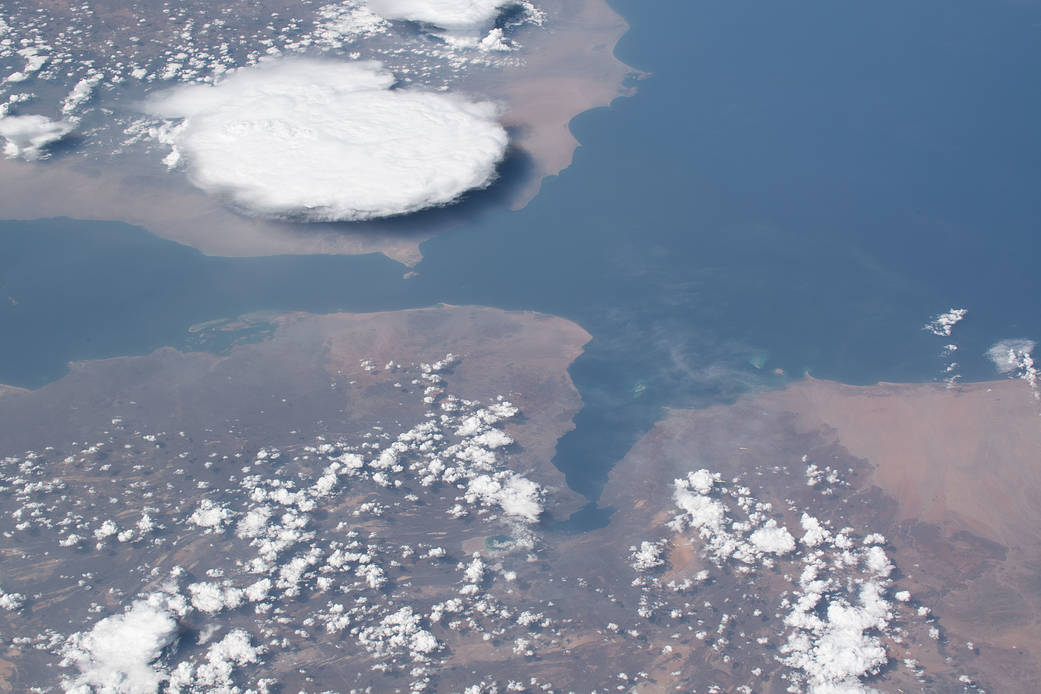
Later that day, Houthi military spokesman Yahya Saree claimed a ballistic missile hit the Ras Tanura refinery and caused large fires, Anadolu Agency reported. Bloomberg, citing a person familiar with the matter, reported that Saudi Arabia contained a fire near the Ras Tanura terminal, according to Reuters as published by Baird Maritime. Ecker Geopolitics could not independently verify that the refinery was hit.
Timeline
| Date/Time (ET) | Event |
|---|---|
| Oct. 10 | Houthi strike on Riyadh's King Khalid International Airport kills 12 |
| Oct. 17 | Sisi asks parliament for a mandate to defend Saudi Arabia |
| Oct. 18 | Egypt's National Defence Council pledges "all necessary and possible forms of support" |
| Oct. 18-19 | Two closed House sessions end without a vote |
| Oct. 26 | House approves the mandate by a two-thirds majority |
| Oct. 27 | Houthis call the vote a "declaration of war"; claim Ras Tanura strike |
| Oct. 27 | Saudi forces report multiple ballistic missile and drone interceptions |
Who's Involved
- Abdel Fattah el-Sisi, Egypt's president and commander in chief, holds the authority to deploy but says Egypt will act only if Riyadh asks.
- Hisham Badawi, speaker of Egypt's House, presided over the vote, Al Jazeera reported.
- Badr Abdelatty, Egypt's foreign minister, visited Riyadh and said Cairo still favors a diplomatic settlement, according to Al Jazeera.
- Saudi Arabia, led by Crown Prince Mohammed bin Salman, heads the coalition backing Yemen's internationally recognized government.
- The Houthis, Iran-aligned and in control of Sanaa since 2014, are fighting the Saudi-led coalition. Yahya al-Raei, speaker of the Houthi-run parliament, warned Badawi that involvement would pose "a grave danger" to Egypt, per The National.
- Egyptian opposition: the Egyptian Social Democratic Party said it would abstain, citing national security, economic costs and the risk of regional escalation, Egypt Independent reported.
- UN Secretary-General António Guterres met Sisi in Cairo and urged "maximum restraint," according to Al Jazeera.
Weapons and Military Assets
- Houthi ballistic missiles and drones: Saudi Joint Forces Command said air defenses intercepted five ballistic missiles and four drones on Oct. 27, the Critical Threats Project reported; Anadolu, citing the coalition, reported three ballistic missiles and four drones intercepted earlier that day. The specific missile types were not identified.
- Claimed targets: Besides Ras Tanura, the Houthis claimed strikes on King Khalid Air Base, Abha and Najran airports and the Saudi Defense Ministry in Riyadh, all unverified, according to the same analysis.
- Egyptian forces: none deployed; the type of any future contribution is undecided.
The Ground Picture
Ras Tanura sits on Saudi Arabia's Gulf coast and, together with Yanbu on the Red Sea, handles nearly all Saudi oil exports, Reuters reported via Baird Maritime. The Houthis have attacked both in past years. If confirmed, the Oct. 27 strike would be the first Houthi strike on Ras Tanura in the 2026 fighting, analysts at the Critical Threats Project said.
On the ground in Yemen, government-aligned forces retook hilltops overlooking the Bab al-Mandeb Strait near al-Ghurayrah, geolocated footage reviewed by the Critical Threats Project indicates. The strait is the southern gateway to the Suez Canal, whose revenue Houthi attacks have already reduced, according to The National.
The same analysts said the Houthis have hinted at threats to Suez shipping, but judged those veiled threats do not by themselves show the group will disrupt canal traffic.
Geopolitical Players
- Iran: The Houthis' patron hosted senior Saudi, Pakistani and Turkish officials in Tehran on Oct. 26, where talks made no progress; an Iranian source said the Houthis conditioned a ceasefire on Saudi Arabia lifting its blockade of Houthi-held airports, according to the Critical Threats Project.
- Turkey and Pakistan: Partners with Saudi Arabia in an August mutual defense pact, which Egypt did not join, The Daily Caller noted. See our report on Turkey's troop mandate.
- United Kingdom: Britain has sent RAF Typhoons to help defend Saudi Arabia, as covered in our Oct. 21 report.
- Gulf financing: Saudi Arabia is one of Egypt's biggest financial backers, providing aid, deposits and energy, per The National.
What It Means for the United States
Benefits and opportunities
- Arab partners are taking on more of their own defense. Egyptian and British help for Saudi Arabia reduces pressure for U.S. forces to defend Saudi airspace directly.
- Analysis: a stronger coalition could push the Houthis toward a ceasefire, helping protect Red Sea and Suez shipping that matters to U.S. trade.
- Egypt, a major U.S. security partner, is aligning firmly with Riyadh against an Iranian proxy.
Risks and dangers
- Attacks on Ras Tanura and other export hubs threaten global oil supply, with Brent already near $114, according to Tradingpedia, feeding U.S. fuel prices.
- A wider Arab-Houthi war could draw in U.S. personnel; Washington already ordered diplomats' families out of Saudi Arabia, as Ecker Geopolitics reported.
- Any Houthi move against Suez Canal traffic would hit Egypt's economy and global supply chains.
Go deeper with the Intel Briefing. Pro Truth Seeker members get members-only analysis of the Saudi-Houthi war, Gulf defense pacts and the Iran endgame. Become a member.
What's Next
Deployment hinges on a formal Saudi request, which had not been announced, The National reported. Watch for Saudi confirmation or denial of damage at Ras Tanura, Iran's response this week to a Qatari peace draft reported by Reuters, and whether Houthi threats extend to Suez shipping.
Want the breakdown? Watch Ecker Geopolitics or support the Information War.
Sources
- The National: Egypt's parliament authorises El Sisi to send troops to defend Saudi Arabia (Oct. 26, 2026)
- Al Jazeera: Egyptian parliament authorises military aid for Saudi Arabia (Oct. 26, 2026)
- Egypt Independent: Egypt parliament approves authorizing president to send troops to Saudi Arabia (Oct. 27, 2026)
- The Daily Caller: 'All Necessary Measures': Egypt Could Send Troops To Saudi Arabia To Defend Against Houthi Attacks (Oct. 26, 2026)
- Demócrata: The Houthis see Egypt's approval for the deployment of troops to Saudi Arabia as a declaration of war (Oct. 27, 2026)
- Anadolu Agency: Yemen's Houthis claim missile attack on Saudi Arabia's Ras Tanura oil refinery (Oct. 27, 2026)
- Baird Maritime (Reuters): Houthis claim strike on Saudi Arabia's biggest oil refinery (Oct. 27, 2026)
- Critical Threats Project / ISW: Iran Update, October 27, 2026 (Oct. 27, 2026)
- CBS News: Live Updates: 8-month Iran war looms over Israeli election as Egypt wades into Saudi's fight with the Houthis (Oct. 26-27, 2026)
- Tradingpedia: Brent Crude Holds Premium as Markets Await Iran Policy (Oct. 28, 2026)
- Reuters (via Yahoo News): Qatari mediators present Iran with new deal to end the war, official says (Oct. 28, 2026)